Plumbing installation, particularly for commercial properties, involves a complex interplay of regulations, design considerations, and practical execution. In Minneapolis, where the climate can pose unique challenges to plumbing systems, a well-planned project is essential for long-term success. While many businesses focus primarily on their core operations during renovations or new constructions, overlooking the plumbing aspect can lead to significant setbacks. Understanding common pitfalls can save time, money, and headaches down the line.
The Importance of Planning
Every successful plumbing installation begins with meticulous planning. This entails more than just selecting fixtures and piping. It requires a deep understanding of local codes and regulations governing plumbing systems in Minneapolis. Failing to comply with these rules can result in costly fines and delays. Engaging with local authorities early in the process ensures that you are aware of any permits required and that your plans align with municipal standards.
Additionally, consider how your plumbing needs might evolve over time. For instance, if your business anticipates growth or changes in usage patterns, this should inform your installation choices. A restaurant may need larger waste lines compared to an office space due to higher water consumption and waste generation. Planning for future needs ensures that you won’t face unexpected challenges as your business evolves.
Selecting the Right Professionals
Choosing the right team for your commercial plumbing installation cannot be overstated. Many businesses make the mistake of opting solely for cost when selecting contractors. While budget considerations are crucial, quality and reliability should take precedence. Research potential plumbers thoroughly; look for licensed professionals who have experience with commercial projects similar to yours.
In Minneapolis specifically, seek out plumbing repair services that understand the nuances of local building codes and weather conditions. For example, winter temperatures can cause freezing issues if pipes are not installed correctly or insulated properly. Engaging professionals who are familiar with these conditions expert professional plumbing repair will reduce risks associated with plumbing failures.
Common Installation Mistakes
Several common mistakes frequently arise during commercial plumbing installations:
Inadequate Sizing: When designing plumbing systems, it is vital to ensure that pipes are appropriately sized for both current use and potential future demands. Oversized pipes can lead to issues like low water pressure while undersized ones may result in excess strain on the system.
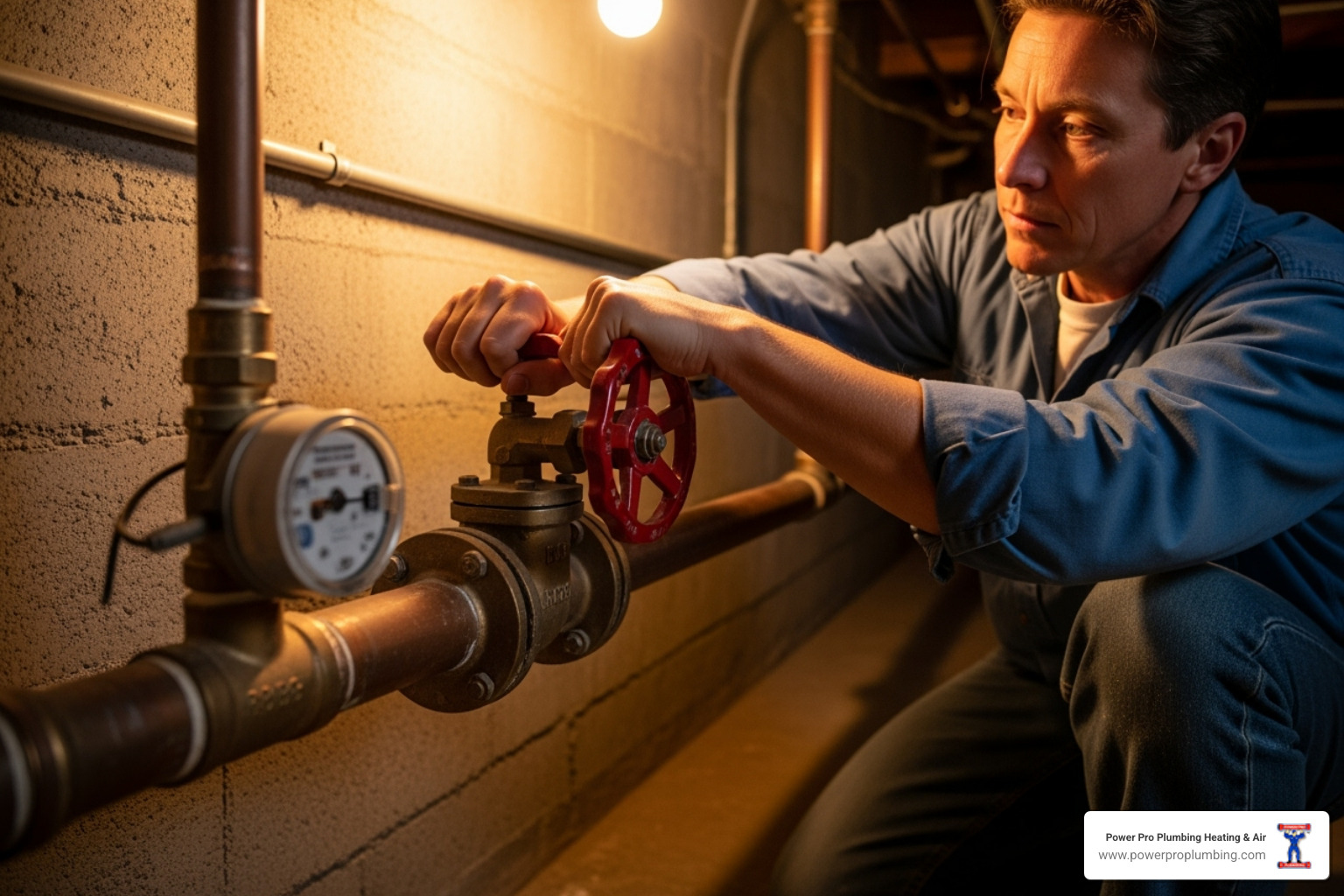
Poor Layout Design: Effective layout design considers not only aesthetics but also function and maintenance access. Complex layouts may look appealing but could complicate repairs down the line.
Neglecting Drainage Needs: Proper drainage is essential in preventing floods or water damage within a commercial space. Installing drainage systems without thorough assessment can lead to significant structural problems in the future.
Skipping Inspections: Some contractors might rush through inspections under tight deadlines only to regret it later when issues arise post-installation. Ensure all work is inspected by qualified personnel throughout each stage of the project.
Ignoring Ventilation Requirements: Adequate venting is necessary for maintaining proper air pressure within a plumbing system; neglecting this aspect can lead to slow drainage or gurgling sounds from fixtures.
By being aware of these pitfalls and taking proactive measures against them, businesses can set themselves up for a more efficient installation process.
The Role of Quality Materials
Using high-quality materials is non-negotiable during any commercial installation project. Cheaper options may appear attractive initially due to lower costs but often result in higher expenses over time due to maintenance needs or premature failures.
For example, investing in durable piping materials such as copper or PEX instead of cheaper alternatives like PVC can significantly extend the lifespan of a plumbing system under various conditions prevalent in Minneapolis—like fluctuating temperatures leading to thermal expansion and contraction stress on pipes.
Additionally, consider sourcing fixtures from reputable suppliers known for their reliability rather than opting for generic products that may lack warranties or customer support services.
Addressing Potential Challenges
Despite thorough planning and execution efforts, unexpected challenges often arise during any major project—plumbing installations included. Being prepared involves having contingency plans ready should issues surface unexpectedly.
For instance, discovering existing infrastructure complications after beginning work on site can delay progress significantly if not addressed promptly by experienced professionals who know how best to navigate such situations without compromising quality standards.
Understanding how factors like soil composition might affect excavation efforts also plays into preparedness; certain areas may require additional support structures which could add unforeseen costs if not anticipated ahead of time.
Communication Is Key
Throughout every phase of a commercial plumbing installation project, effective communication among stakeholders is essential for success—from contractors to property managers and even local authorities overseeing compliance with codes.
Regular updates regarding timelines will help ensure everyone involved remains aligned on expectations while addressing concerns as they arise fosters collaborative problem-solving approaches instead of reactive measures taken later down the line when issues escalate into larger problems requiring extensive remediation efforts.
Keeping Everyone Updated
Establishing regular check-ins builds trust among teams while keeping everyone informed about progress made thus far encourages transparency throughout each step taken toward ultimate completion goals set beforehand based upon initial planning discussions held prior commencement activities began onsite itself!
The Value of Post-Installation Support
Once installation concludes successfully comes another critical component—having reliable post-installation support available whenever needed! Ensuring access points exist whereby tenants/business owners experiencing difficulties accessing assistance swiftly helps maintain operational continuity moving forward without extended downtime caused by unresolved issues persisting longer than necessary!
Consider partnering with emergency plumbing repair services capable of providing same-day assistance when urgent matters arise unexpectedly; having these resources readily available minimizes disruption effects faced by businesses striving toward optimal functioning environments conducive productivity success overall!
Conclusion
Commercial plumbing installations present unique challenges that require careful attention at every stage—from initial planning through ongoing maintenance after completion has been achieved! By avoiding common pitfalls discussed herein—prioritizing quality materials alongside professional expertise—businesses positioned themselves better equipped overcome obstacles encountered along way toward achieving functional spaces supporting their operational needs effectively!
Investing time upfront pays dividends later ensuring seamless functionality within newly designed environments tailored specifically meet specific requirements set forth within original scope outlined by stakeholders involved throughout entire process journey plumbing installation undertaken together collaboratively culminating successful outcomes achieved across board!